
 edward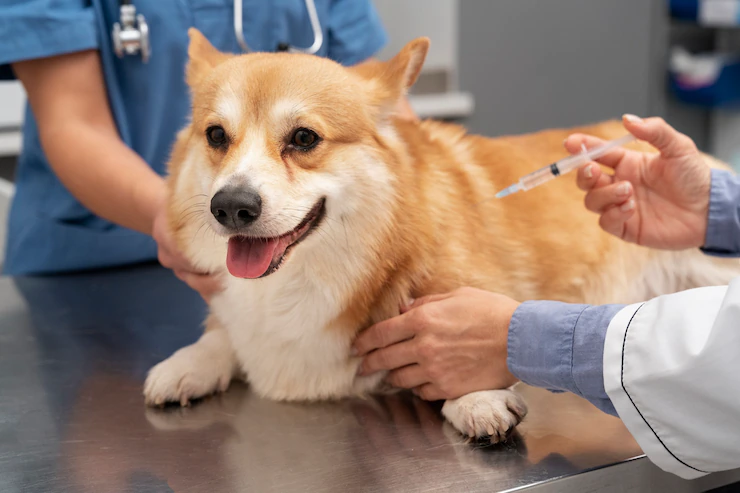
As a responsible and loving dog owner, your pet’s health and happiness are top priorities. Dogs can’t tell us when something feels wrong, so it’s up to us to spot the signs and take action when needed. While regular check-ups from a Brandon veterinarian are essential, there are specific situations when you should promptly take your dog to the vet.
Here are six key factors to guide you in deciding when professional care is necessary for your furry friend.
1. Sudden Changes in Behavior
Dogs are creatures of habit. Any sudden, unexplained change in their behavior could be a sign that something isn’t right. For example, if your dog becomes unusually lethargic, aggressive, or starts hiding, it could indicate pain or discomfort. Similarly, a previously calm dog that starts pacing or whining may be feeling stressed or unwell.
Behavioral changes might stem from physical issues like illness or injury, or even emotional distress. A veterinarian visit can help identify the root of the problem and provide relief for your pet.
2. Visible Signs of Illness or Injury
Certain physical symptoms are clear indicators that your dog needs medical attention. These might include vomiting, diarrhea, coughing, labored breathing, or unusual discharge from the eyes, ears, or nose. Even more subtle signs like excessive scratching, paw licking, or hair loss shouldn’t be ignored.
If your dog has visible injuries like cuts, swelling, or limping, it’s critical to see the vet to prevent infection or long-term issues. Prompt veterinary care can provide the best chance of a full recovery.
3. Age-Related Health Concerns
Just like humans, dogs experience different health needs at various stages of life. Puppies require frequent visits for vaccinations, deworming, and growth monitoring. On the other hand, senior dogs, typically seven years or older, are at greater risk for conditions such as arthritis, vision loss, or kidney disease.
Regular senior health screenings, including blood tests and X-rays, can detect age-related issues early, allowing for timely treatment and better quality of life. If you notice age-related concerns like stiffness, weight changes, or altered mobility, a vet visit is warranted.
4. Unusual Eating or Drinking Habits
Your dog’s appetite and water intake can reveal a lot about their health. If your dog suddenly stops eating, eats excessively, or becomes a picky eater, it could signal dental issues, gastrointestinal problems, or illness. Likewise, excessive thirst or urination might indicate diabetes, kidney issues, or other health concerns.
In fact, changes in eating and drinking habits should never be brushed off as a phase. Always consult your vet to rule out underlying causes and address them appropriately.
5. Preventive Care Needs
Preventive care is an essential aspect of maintaining your dog’s health. Routine veterinary visits for vaccinations, flea and tick prevention, and regular dental cleanings can help protect your furry friend from serious conditions down the road.
In addition, preventive screenings for heartworms, parasites, and overall wellness ensure early detection of potential problems. Sticking to a proactive care schedule minimizes the risk of your dog developing avoidable health issues.
6. Breed-Specific Health Risks
Certain breeds are predisposed to specific health problems due to their genetics or physical traits. For instance, brachycephalic breeds like Bulldogs and Pugs often experience breathing difficulties, while large breeds like Labradors and Great Danes are more prone to hip dysplasia and joint problems.
You should educate yourself about your dog’s breed and be alert for symptoms that may point to these common issues. Routine check-ups or specialized screenings recommended by your vet can help manage these breed-specific concerns effectively.
Conclusion
Knowing when to take your dog to the veterinarian can make a huge difference in their health and well-being. Sudden behavioral changes, visible symptoms, and preventive care are all vital indicators that professional care is needed. Coupled with age-related monitoring and awareness of breed-specific risks, these steps allow you to keep your furry friend happy and healthy.