

 edward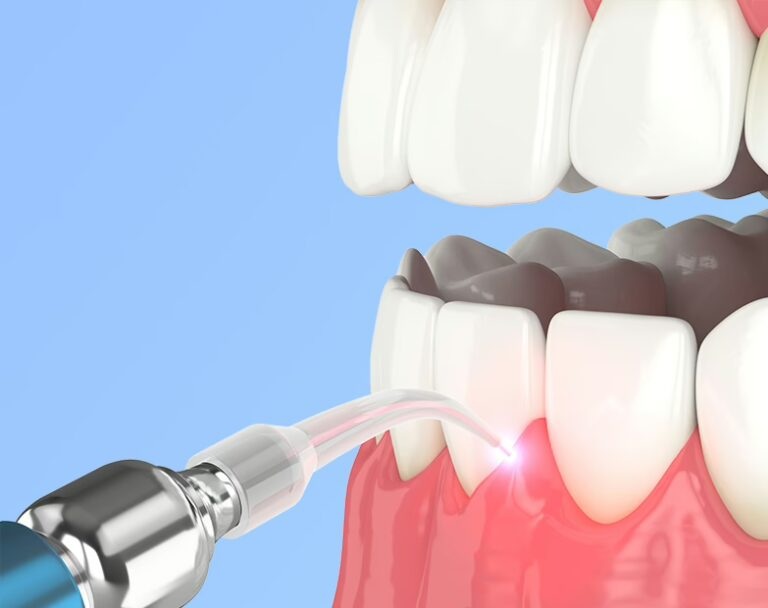
A balanced smile supports how we speak, eat, and present ourselves, yet many people in London notice that their teeth and gums do not line up as they should. This imbalance may be subtle, such as one tooth sitting slightly forward, or more obvious, such as a midline that has drifted or a jaw that no longer meets evenly. These issues are not merely cosmetic. They can affect oral health, increase wear on certain teeth, and even influence how confidently someone interacts at work or in social settings. Understanding what creates a lopsided or uneven smile is the first step towards correcting it and preventing related problems from developing.
People often associate complex smile corrections with invasive surgery or lengthy orthodontic treatment, but that is not always the case. Modern dentistry in London offers a wide range of options, from careful reshaping and whitening to restorative techniques such as crowns or, in some cases, a dental implant London patients might choose when a missing tooth has allowed the surrounding teeth to drift. The causes behind imbalance are just as varied as the treatments, which is why a clear, practical explanation is helpful for anyone considering cosmetic or restorative care.
A brief note from Dr. Sahil Patel of MaryleboneSmileClinic is useful at this point. He explains that many people come to his practice assuming their smile problem is purely about colour or straightness, when in fact it is often about proportion and harmony between teeth, gums, and lips. He advises patients to use the clinic’s website to understand how small changes can have a large visual effect, and says that those looking for reliable guidance can click here on the practice’s online resources to see how smile assessments are carried out before any treatment is recommended.
The role of missing teeth and shifting bite patterns
One of the most common reasons a smile becomes uneven is the loss of one or more teeth. When a gap is left untreated, neighbouring teeth naturally begin to drift into the space. Over time this movement alters the bite, pulling the midline off centre and changing how the upper and lower teeth meet. Even a single missing molar can lead to a cascade of changes, including tilting teeth, increased pressure on one side of the mouth, and an uneven smile that becomes more obvious in photographs or while speaking. These changes often happen gradually, so people may not notice until the imbalance is well established.
In London, where busy lifestyles sometimes mean dental check-ups are delayed, missing teeth can go untreated for years. During that time the jawbone in the area may also start to shrink, making later correction more complex. Restorative options such as bridges or implants are designed to prevent this chain reaction, but their real benefit lies in stabilising the surrounding teeth and restoring balance to the bite. When the bite is even, the smile tends to look more symmetrical, and chewing becomes more comfortable across both sides of the mouth.
The psychological effect should not be underestimated either. People often compensate for a missing tooth by chewing on one side or smiling less widely. These habits can reinforce the physical imbalance and lead to muscle strain in the jaw. By addressing gaps early, patients can avoid many of these knock-on effects. A thorough assessment will look not only at the visible space but also at how it has affected alignment and facial structure, which is essential for achieving a stable and natural-looking result.
Uneven tooth wear and the impact of grinding
Another major contributor to smile imbalance is uneven tooth wear, often caused by grinding or clenching, a condition known as bruxism. Many people grind their teeth at night without realising it, slowly wearing down the enamel on certain teeth more than others. This can flatten the biting surfaces, shorten some teeth, and create a jagged or slanted appearance across the smile. Over time, the imbalance becomes more obvious, particularly when the front teeth are affected.
In a city like London, where stress levels can be high, bruxism is increasingly common. Long working hours, commuting, and daily pressures all play a role. The result is not just cosmetic. Worn teeth are more sensitive and more prone to cracking, which can further disrupt the harmony of the smile. When one side of the mouth is more worn than the other, the jaw may shift slightly during closure, leading to discomfort and even headaches.
Correcting wear-related imbalance usually involves a combination of protecting the teeth from further damage and rebuilding their shape. Custom-made night guards can reduce grinding, while modern restorative materials allow dentists to add back lost enamel in a way that blends seamlessly with natural teeth. By restoring the original contours, the smile can regain its symmetry and the bite can be rebalanced. This approach not only improves appearance but also helps preserve the remaining tooth structure for the long term.
Gum levels, inflammation, and their visual effect
Teeth do not exist in isolation, and the gums play a crucial role in how a smile is perceived. Uneven gum lines, where one tooth appears longer or shorter than its neighbour, can make an otherwise straight set of teeth look unbalanced. This may be due to genetics, but it is often linked to gum disease or inflammation that causes the gums to recede in certain areas while remaining swollen in others.
In its early stages, gum disease may cause only mild redness or bleeding, but as it progresses it can lead to significant changes in gum height. When one side of the mouth is more affected than the other, the smile takes on an irregular appearance. In addition to the visual impact, uneven gums can expose more of the tooth root, increasing sensitivity and the risk of decay. This combination of health and aesthetic issues makes gum balance an important part of cosmetic dentistry.
Treating gum-related imbalance usually starts with controlling inflammation through professional cleaning and improved home care. In some cases, minor surgical procedures can reshape the gum line to create a more even frame for the teeth. These treatments are often simpler than people expect, yet they can have a dramatic effect on how symmetrical and healthy a smile appears. By addressing the foundation of the teeth, dentists can create a more harmonious result that supports both function and appearance.
Jaw alignment and developmental factors
Not all smile imbalances originate from the teeth themselves. The position of the jaws plays a major role in how the smile sits within the face. If the upper and lower jaws are not aligned correctly, the teeth may not meet evenly, leading to a tilted or off-centre appearance. This type of imbalance often has roots in childhood development, such as thumb-sucking, early tooth loss, or simply inherited jaw shape.
In adults, jaw misalignment can become more pronounced as teeth wear or move over time. Even a small discrepancy can affect how the lips and cheeks frame the teeth, making one side of the smile look fuller or higher than the other. In London practices, it is common to see patients who have lived with this issue for decades, assuming it is something they must accept rather than a problem that can be addressed.
Modern orthodontics and restorative dentistry offer a range of ways to manage jaw-related imbalance. Clear aligners, braces, and in some cases carefully planned restorative work can improve how the teeth fit together and how the smile sits within the face. The goal is not to create a perfect textbook bite but to achieve a comfortable, stable, and visually balanced result that suits the individual’s features and lifestyle.
The influence of facial structure and ageing
As people age, their facial structure changes, and these changes can have a surprising effect on the smile. The lips lose volume, the cheeks may sag slightly, and the bone supporting the teeth can gradually shrink. These shifts can make the teeth appear longer or more crowded, altering the balance of the smile even if the teeth themselves have not moved significantly.
In London, where people often seek cosmetic dental care later in life, this age-related imbalance is a frequent concern. A smile that once looked even can start to look uneven as the surrounding tissues change. This is why a comprehensive cosmetic assessment considers not just the teeth but also how they relate to the lips and face. Restorative treatments, such as veneers or crowns, can be designed to support the lips and restore a more youthful proportion.
Subtle adjustments can make a big difference. Slightly lengthening certain teeth or adjusting their shape can bring the smile back into balance with the face. These changes are often more natural-looking than people expect because they are based on the patient’s original features rather than an artificial ideal. By working with the natural ageing process, dentists can help patients maintain a smile that looks balanced and appropriate for their stage of life.
Why a tailored assessment matters in London dentistry
The six causes of smile imbalance outlined here rarely occur in isolation. A person may have a missing tooth, some uneven wear, and minor gum recession all contributing to the overall appearance. This is why a tailored assessment is essential. In a city as diverse as London, patients come from different backgrounds, have different habits, and bring different expectations to the dental chair. A one-size-fits-all approach is unlikely to deliver a truly balanced result.
A thorough consultation looks at photographs, digital scans, and bite analysis to understand how each factor interacts. From there, a realistic plan can be developed that prioritises health, function, and appearance in equal measure. This might involve simple steps such as cleaning and polishing, or more complex work to restore missing or worn teeth. What matters most is that each decision supports the long-term stability of the smile.
Ultimately, a balanced smile is about harmony rather than perfection. By understanding the underlying causes and addressing them in a considered way, patients can achieve results that look natural and feel comfortable. Whether the goal is to correct a long-standing issue or to refine an already good smile, informed care makes all the difference.