

 edward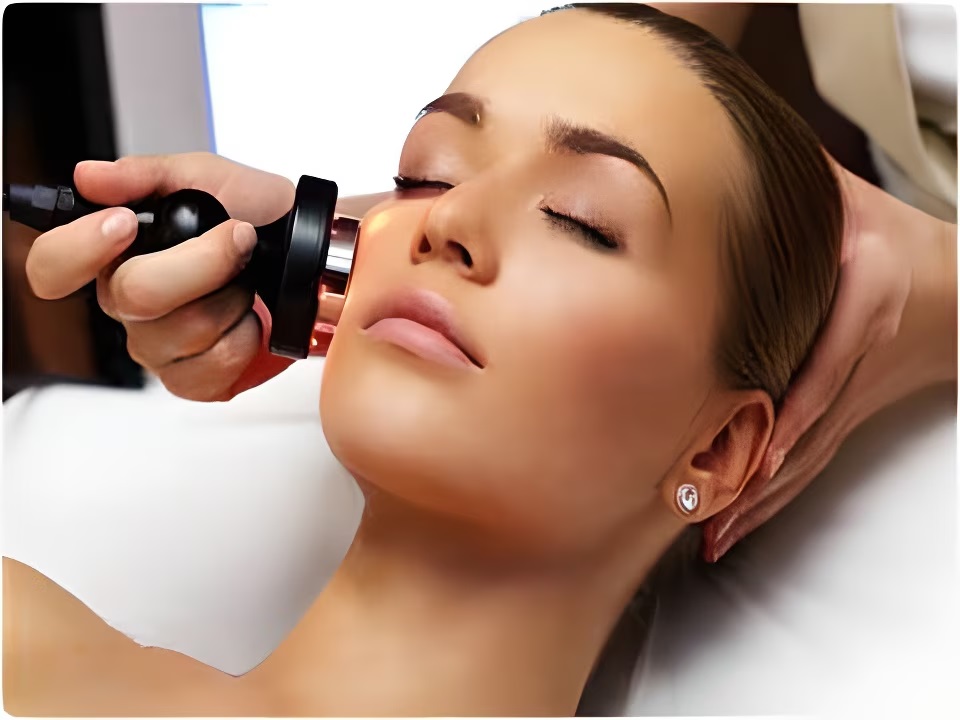
Beauty advice often starts too late, after money has been spent on products, treatments or trends that were never a good fit in the first place. A better approach is to make a few smarter decisions at the start. That means knowing what your skin is doing, understanding which treatments actually suit your routine, and being realistic about what delivers value over time.
The most reliable beauty habits are usually not the flashiest. They are the ones that reduce irritation, prevent wasted spending and keep results consistent across changing seasons, stress levels and work patterns. This applies whether someone is building a simple home routine, booking occasional professional treatments or comparing more advanced options. Good choices are usually based on evidence, not excitement.
A laser hair removal specialist at Medspa advises that many clients see better long-term results when they stop copying online routines and start matching treatment choices to their own skin behaviour, age, schedule and budget. They note that people often search for a beauty clinic London option only after a problem has worsened, when earlier, better-informed decisions could have prevented unnecessary irritation or expense.
That clinic-based perspective is useful because it focuses on patterns seen repeatedly in real life. Certain mistakes come up again and again: treating dehydration as oiliness, choosing invasive options too soon, ignoring recovery time, or assuming expensive means effective. The smarter route is usually calmer and more measured. The six choices below reflect that approach. They are not designed around fads. They are based on what tends to work when people want skin, hair and treatment decisions that hold up over months, not just a weekend.
Choose assessment over assumption
One of the smartest beauty choices is to stop guessing. Many people buy based on a label, a recommendation from a friend, or a trend that appears to fit their problem. In reality, skin concerns often overlap. Sensitivity can look like dryness. Congestion can sit alongside dehydration. Breakouts in adulthood may be linked to barrier damage, stress, product overload or hormonal changes rather than poor cleansing. Without proper assessment, a routine quickly becomes a collection of reactions rather than a plan.
Clinic experience consistently shows that assumption is expensive. People often arrive having layered exfoliants, retinoids, acids and brightening products on top of each other because each item promised a solution in isolation. Instead of improvement, they get redness, flaking, discomfort or a sudden increase in oil production. The issue is not that the ingredients are inherently wrong. The issue is that they were chosen without context.
Assessment does not always require a complex treatment pathway. Sometimes it means standing back and looking at the full picture. What is the skin type in the morning and in the evening? How does it react after central heating, long commutes or cold wind? Has the person recently changed contraception, medication, diet or sleep patterns? Are they cleansing too aggressively after wearing sunscreen or makeup? Answers to those questions often explain more than a product shelf ever will.
This is where professional input can add value. A good consultation does not just recommend procedures. It helps narrow the problem. That may mean advising against unnecessary treatment, suggesting a simpler routine, or spacing out appointments so the skin can stabilise. In that sense, the best professional guidance is often conservative. It protects the skin from being overmanaged.
For Londoners in particular, this matters because environmental exposure is variable. Pollution, long indoor working days, hard water in some areas, disrupted sleep and seasonal heating can all affect skin performance. Choosing assessment over assumption is smart because it puts those real-world factors ahead of marketing language. It turns beauty from guesswork into decision-making.
Protect the skin barrier before chasing perfection
A second smart choice is to prioritise the skin barrier. This sounds technical, but in practical terms it means protecting the skin’s ability to hold moisture, tolerate active ingredients and recover from daily stress. When the barrier is compromised, almost everything becomes harder. Texture looks worse, redness becomes more obvious, breakouts are more stubborn and products sting even when they are designed to help.
Beauty clinic experience often reveals the same pattern: someone wants clearer, brighter or firmer skin, so they increase the intensity of their routine too quickly. They exfoliate more often, switch between treatment serums, add a scrub, book strong treatments close together and then try to cover the irritation with richer creams. The result is confusion rather than progress. Once the barrier is affected, the skin becomes unreliable. It may feel oily and tight at the same time. It may react differently from one week to the next. That unpredictability leads to even more product switching.
Protecting the barrier is a smarter route because it improves treatment tolerance and supports steadier results. In practice, that means using cleansers that do not strip the skin, applying active products at sensible frequency, moisturising appropriately and being careful about combining treatments that all accelerate turnover. It also means respecting signs of irritation rather than pushing through them. Persistent tightness, unusual warmth, burning and roughness are not proof that something is working. Often they are warnings.
This point matters beyond skincare. Procedures such as chemical peels, needling, laser work and intensive facials also depend on barrier recovery. The skin needs time to respond well. Overbooking treatments to speed up results usually does the opposite. A more measured plan often gives a better finish and less downtime.
For many people, strong skin is more valuable than perfect skin. It holds up better under makeup, copes better with weather changes and responds more predictably to future treatment. That is why barrier care is not a side note. It is one of the foundations of sensible beauty decisions, especially in a fast-moving market where new actives and treatment launches constantly encourage people to do more.
Invest in consistency that suits London life
The third smart choice is to build a beauty routine around reality rather than aspiration. A plan is only useful if it survives long hours, commuting, social commitments, uneven sleep and the practical limits of time and money. This is where clinic insight is especially useful. Professionals often see the difference between routines that look impressive on paper and routines that people can actually follow.
Consistency usually beats intensity. A simple, well-matched routine used properly for months will often outperform a complicated routine used enthusiastically for ten days and then abandoned. This matters because many beauty concerns improve slowly. Pigmentation, post-blemish marks, fine lines, sensitivity and uneven texture rarely respond to dramatic short-term effort. They respond to repetition and patience.
London life often adds specific pressures. Indoor heating in winter, warmer Tube journeys, pollution exposure, late nights and irregular meals can all affect the skin. People may also shift between office environments, outdoor weather and air-conditioned spaces in a single day. That makes a stable routine more important than a fashionable one. The smart decision is to choose products and treatments that work within those conditions rather than against them.
This is also where the idea of value becomes clearer. Expensive routines are not automatically poor value, but they are poor value if they are too complicated to maintain. Likewise, lower-cost routines are not automatically basic if they address the actual need. A treatment plan should fit a person’s calendar and financial comfort as well as their skin type. When it does, the results are easier to protect.
A practical routine also reduces the temptation to keep starting over. Constantly replacing products, changing clinics or switching treatment direction can interrupt progress. A measured plan supported by occasional review tends to be more effective. People searching for a beauty clinic London service often want immediate visible change, but the stronger long-term outcomes usually come from routines that are manageable enough to continue without stress. Good beauty decisions should reduce friction, not create it.
Use professional treatments for purpose, not prestige
The fourth smart choice is to treat professional appointments as targeted tools, not status purchases. In beauty, it is easy to assume that the more advanced or expensive a treatment sounds, the better it must be. Clinic experience often proves the opposite. The best treatment is the one that serves a clear purpose at the right time, with realistic expectations and sensible aftercare.
Many people benefit from stepping back and asking a basic question before booking anything: what exactly is this meant to improve? If the answer is vague, the booking may be driven more by marketing than by need. A treatment should have a defined role. It may be intended to reduce visible congestion, support collagen stimulation, improve skin tone, manage unwanted hair, soften signs of fatigue or prepare skin for an event. That clarity matters because it shapes the right method, the likely timeline and whether the treatment is worth the cost.
Purpose also protects people from over-treatment. Not every concern requires an aggressive approach. Some issues respond well to routine correction, mild professional support and time. Others do justify more advanced options, but only after skin condition, lifestyle and downtime tolerance have been properly considered. A smart decision weighs benefit against recovery, maintenance and risk. That is a more useful test than simply asking what is popular.
This applies equally to injectables, facials, device-led treatments and skin resurfacing. Prestige-driven choices often overlook maintenance. Some options produce strong early results but need repeat appointments that are unrealistic for the client. Others require strict sun avoidance or a degree of recovery that clashes with work and social commitments. When that is ignored, disappointment follows.
A sensible professional will usually explain not only what a treatment can do, but also what it cannot do. That honesty is valuable. Beauty outcomes improve when expectations are specific and proportionate. The right appointment should feel like part of a plan rather than a dramatic gamble. In that respect, professional beauty is at its best when it is practical. It should solve a defined problem, not create a new cycle of unnecessary spending.
Respect maintenance, recovery and timing
The fifth smart choice is understanding that beauty results are shaped as much by maintenance and timing as by the treatment itself. This is one of the most common areas where expectations drift away from reality. People often focus on the appointment date and not enough on what happens before and after it. Yet clinic experience repeatedly shows that aftercare, spacing and timing are often what determine whether a result looks polished, patchy or short-lived.
Recovery matters because skin and hair respond on a timeline, not on demand. Treatments that stimulate renewal, calm inflammation or improve texture need space to work. Booking another strong treatment too soon can interrupt recovery. Likewise, layering new homecare on top of recent procedures can cause irritation that obscures progress. Smart beauty decisions respect the fact that visible change is often gradual and cumulative.
Timing also matters in ordinary life. An appointment that causes redness, peeling or tenderness may be perfectly appropriate, but not the day before a major event or during a period of intense work pressure. Choosing well means matching treatment type to calendar reality. It may be better to schedule a lower-intervention option before an important occasion and reserve more intensive work for quieter periods. This is not about caution for its own sake. It is about getting the best visible result when it counts.
Maintenance is another point that is often underestimated. Some outcomes can be sustained with strong home care and occasional review. Others need structured repeat visits. Neither model is wrong, but the person booking should understand which one applies. A treatment that seems affordable at the first appointment may become less appealing if meaningful results depend on regular top-ups that were not factored in at the start.
This is where a good practitioner relationship can make the difference. Instead of simply selling another session, the strongest advice usually helps a client plan seasonally and financially. That may include adjusting for sun exposure, travel, work events or periods of stress. By the time many people seek a beauty clinic London provider, they are looking for a fast correction. In practice, the best outcomes usually come when timing and maintenance are treated as part of the decision rather than as an afterthought.
Favour long-term appearance over short-term trends
The sixth smart choice is to value long-term appearance over trend-led change. Beauty trends can be useful for inspiration, but they are weak foundations for decision-making. What photographs well online, looks striking under studio lighting or becomes fashionable for one season may not suit a person’s face, skin condition, age or day-to-day life. Clinic-based experience is helpful here because it shifts attention back to proportion, longevity and natural-looking outcomes.
Trend pressure often encourages people to pursue extremes. That may involve overfilling, over-lifting, over-exfoliating or using highly active skincare without enough guidance. The immediate result can appear impressive in a narrow context, but less convincing over time. Good beauty choices tend to age well. They protect facial balance, support skin health and leave room for adjustment rather than locking a person into one exaggerated direction.
Long-term thinking also improves financial decisions. Chasing trends can create a cycle of repeated correction. A person pays for one fashionable look, then pays again to soften, dissolve, rebalance or repair it when tastes change or side effects appear. A more measured approach usually costs less over time and keeps the face or skin looking more stable. That stability is often what people actually want, even if trends briefly persuade them otherwise.
For a broad British audience, this point has another practical side. Many people want to look fresher, clearer or more rested without looking obviously treated. That is a legitimate aim and often a sensible one. It puts emphasis on skin quality, facial harmony and maintainable grooming rather than obvious intervention. The most successful beauty choices frequently go unnoticed by other people except as a general impression of looking well.
This does not mean avoiding innovation. It means filtering it. New products and procedures should be judged by evidence, safety, suitability and repeatability, not by popularity alone. When people do that, they usually end up with a beauty strategy that is quieter but stronger. It fits their features, their routine and their future self. That is the real lesson behind clinic-based experience: smart choices are rarely the loudest ones, but they are the ones most likely to keep working.