

 admin
admin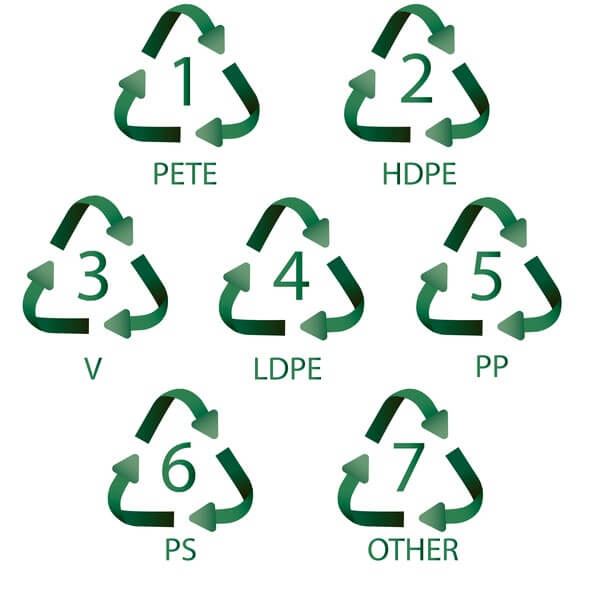
High-density polyethylene (HDPE) is a commonly used plastic found in a wide range of consumer and industrial products such as containers, piping, plastic lumber, and household goods. As durable and versatile as HDPE is, its widespread use has led to a pressing need for sustainable waste management solutions. Recycle HDPE not only contributes to environmental conservation but also provides significant economic benefits across industries.
Environmental Benefits of Recycling HDPE
One of the most compelling reasons to recycle HDPE is its positive impact on the environment. HDPE is non-biodegradable, which means it can persist in landfills and natural ecosystems for hundreds of years. Without responsible disposal and recycling measures, this type of plastic contributes significantly to land and marine pollution.
By recycling HDPE, the volume of plastic waste that ends up in landfills or oceans is greatly reduced. This helps to mitigate the environmental harm caused by plastic pollution, including harm to wildlife and contamination of soil and water resources. In addition, HDPE recycling requires far less energy than producing new plastic from raw petroleum. This translates into reduced greenhouse gas emissions and lower demand for fossil fuels, contributing to climate change mitigation.
Another key environmental advantage lies in the material’s recyclability. HDPE can be recycled multiple times without substantial degradation in quality, making it ideal for long-term reuse. This helps foster a circular economy where resources are continuously cycled through the system, minimizing waste and preserving natural resources.
Economic Advantages of HDPE Recycling
Recycling HDPE also offers noteworthy economic returns. Recycled HDPE is a valuable raw material that can be reprocessed into new products at a lower cost compared to producing virgin plastic. Industries that incorporate recycled HDPE into their production lines can reduce operational costs while aligning with sustainable manufacturing goals.
Moreover, the HDPE recycling sector supports job creation and local economic growth. From collection and sorting to processing and manufacturing, each stage in the recycling supply chain contributes to employment opportunities and industrial development.
Using recycled materials can also help businesses meet regulatory requirements and sustainability certifications, which are increasingly important in today’s market. Companies that demonstrate a commitment to responsible resource management often benefit from enhanced brand reputation and customer loyalty.
Common Uses of Recycled HDPE
Recycled HDPE is remarkably versatile and is used in a wide array of applications. It can be transformed into piping, decking, bins, fencing, pallets, and outdoor furniture. These applications help reduce dependence on virgin materials and offer consumers durable, cost-effective alternatives that are environmentally friendly.
Encouraging Widespread Participation
Despite the clear benefits, HDPE recycling still faces challenges, including contamination of recycling streams and limited public awareness. Addressing these challenges requires a collaborative approach involving consumers, manufacturers, and policymakers. Improved collection systems, public education campaigns, and incentives for businesses can help boost recycling rates and ensure cleaner, more efficient processing.
Conclusion
Recycling HDPE offers a powerful solution to the twin challenges of environmental protection and economic sustainability. Its widespread use and recyclable nature make HDPE an ideal target for circular practices. By prioritizing HDPE recycling, we not only reduce pollution and conserve resources but also build a more sustainable and resilient economic future.